The Science Behind Carpet Fiber Damage in High-Moisture Florida Environments
- emeraldcostcleanin
- Apr 20
- 5 min read
By Emerald Coast Carpet Floor Window Cleaning Services . Santa Rosa Beach, FL
Introduction: Why Florida’s Humidity Is Tough on Carpets
Florida’s beautiful coastal climate in Santa Rosa Beach is known for sunshine, ocean breeze, and tropical humidity. However, while this environment is great for living and tourism, it creates a hidden challenge for homeowners: carpet fiber damage caused by high moisture levels.
At Emerald Coast Carpet Floor Window Cleaning Services, we often see carpets that look clean on the surface but are slowly breaking down underneath due to constant exposure to humidity. Over time, this leads to odor retention, fiber weakening, mold growth, and permanent texture damage.
In this article, we will explore the science behind how high moisture affects carpet fibers, why Florida homes are especially vulnerable, and what you can do to protect your flooring investment.
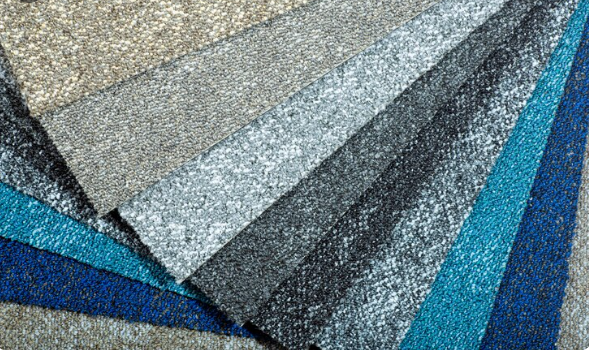
Understanding Carpet Fibers: The Foundation of Your Flooring
Before we talk about damage, it is important to understand what carpets are made of.
Most residential carpets in Santa Rosa Beach homes are made from:
Nylon (strong, durable, commonly used)
Polyester (soft and stain-resistant)
Olefin/Polypropylene (moisture-resistant but less durable)
Wool (natural, premium, but highly moisture-sensitive)
Each fiber type reacts differently to humidity. However, none are completely immune to long-term moisture exposure.
Carpet fibers are held together by backing materials and adhesives, which are often more vulnerable to humidity than the fibers themselves.
Florida’s High-Moisture Environment: The Real Problem
Santa Rosa Beach and surrounding Florida coastal areas experience:
High relative humidity (often 70–90%)
Frequent rainfall
Salt-laden coastal air
Limited indoor ventilation in sealed homes
This combination creates a constant cycle of moisture absorption and slow drying inside carpets.
Even when carpets feel dry on top, moisture can remain trapped deep within the fibers and padding.
The Science: How Moisture Damages Carpet Fibers
Let’s break down what actually happens at a microscopic level.
1. Fiber Swelling and Structural Weakening
Carpet fibers absorb moisture from the air. When this happens repeatedly:
Fibers expand (swelling)
Then contract when drying
This cycle weakens the internal structure
Over time, fibers lose elasticity and become brittle, leading to matting and flattening in high-traffic areas.
2. Hydrolysis: The Silent Chemical Breakdown
One of the most damaging processes in humid climates is hydrolysis.
Hydrolysis occurs when water molecules slowly break down chemical bonds in synthetic carpet fibers and backing adhesives.
This leads to:
Loss of fiber strength
Deterioration of carpet backing
Delamination (separation of carpet layers)
This process is slow but irreversible once advanced.
3. Mold, Mildew, and Microbial Growth
High moisture creates the perfect environment for biological growth.
When carpets remain damp:
Mold spores activate within 24–48 hours
Mildew forms on fibers and backing
Bacteria multiply in trapped moisture zones
This not only damages fibers but also creates persistent odors and potential indoor air quality issues.
4. Odor Molecule Binding
Humidity allows odor molecules to bind more deeply into carpet fibers.
This is why Florida homeowners often notice:
Musty smells that return after cleaning
Odors stronger in humid weather
Lingering pet or food smells
Moisture acts like a carrier, embedding odor compounds deep into the fiber matrix.
5. Dirt Adhesion and Soil Accumulation
Moist fibers attract more dirt.
In humid environments:
Dust becomes sticky
Soil particles bind to damp fibers
Cleaning becomes less effective over time
This creates a cycle where carpets appear dirty faster even after vacuuming.
Why Santa Rosa Beach Carpets Are at Higher Risk
Homes in Santa Rosa Beach face unique environmental stress:
Coastal humidity year-round
Sand and salt particles brought indoors
Air conditioning condensation cycles
Seasonal storms increasing indoor moisture
Because of this, carpets here degrade faster than in drier inland regions.
Even luxury carpets are not immune.
Early Warning Signs of Fiber Damage
Homeowners should watch for these indicators:
Carpet feels damp or cool frequently
Persistent musty odor
Flattened or matted carpet areas
Discoloration or dark patches
Increased allergy symptoms indoors
Carpet feels rough instead of soft
These signs suggest moisture has already begun affecting fiber structure.
How Moisture Affects Carpet Longevity
Without proper maintenance, high humidity can reduce carpet lifespan by:
20–40% in coastal climates
Even more in poorly ventilated homes
What might normally last 10–15 years may degrade significantly faster in Florida conditions.
Prevention: How to Protect Carpet Fibers in Humid Climates
1. Professional Deep Cleaning
Regular professional cleaning removes:
Embedded moisture
Mold spores
Deep soil buildup
At Emerald Coast Carpet Floor Window Cleaning Services, we use moisture-controlled extraction methods designed specifically for Florida humidity.
2. Controlled Drying Techniques
Proper drying is essential. This includes:
High-powered air movers
Dehumidifiers
Rapid moisture extraction
Slow drying is one of the biggest causes of fiber damage.
3. Humidity Control Inside the Home
To protect carpets:
Keep indoor humidity below 55%
Use air conditioning consistently
Run dehumidifiers during rainy seasons
4. Immediate Spill Treatment
Spills should be cleaned quickly because:
Moisture spreads into padding
Fibers weaken faster when wet for long periods
5. Routine Maintenance Schedule
For Santa Rosa Beach homes:
Vacuum 2–3 times per week
Professional cleaning every 6–12 months
Extra cleaning after storms or flooding events
The Role of Professional Cleaning in Fiber Preservation
Professional carpet cleaning does more than improve appearance.
It helps:
Remove deep moisture trapped in fibers
Break down microbial growth
Restore fiber texture
Extend carpet lifespan
Advanced extraction methods ensure moisture is removed, not just redistributed.
Why Choose Emerald Coast Carpet Floor Window Cleaning Services
We specialize in handling Florida’s unique carpet challenges.
Our services include:
Deep carpet extraction cleaning
Moisture-safe drying techniques
Mold and odor removal solutions
Fiber restoration cleaning
Residential and commercial carpet care in Santa Rosa Beach, FL
We understand the science behind carpet degradation in humid climates and apply methods specifically designed to combat it.
Conclusion
High moisture environments like Santa Rosa Beach, Florida, create a unique set of challenges for carpet maintenance. From fiber swelling and hydrolysis to mold growth and odor retention, humidity silently damages carpets from the inside out.
However, with proper care, humidity control, and professional cleaning, homeowners can significantly extend carpet life and maintain a healthier indoor environment.
Understanding the science behind carpet fiber damage is the first step toward protecting your home investment.
Frequently Asked Questions (FAQs)
1. Why does humidity damage carpet fibers in Florida?
Humidity causes fibers to absorb moisture repeatedly, leading to weakening, mold growth, and structural breakdown over time.
2. Can carpet damage from moisture be reversed?
Some damage like odor and dirt buildup can be cleaned, but structural fiber damage is usually permanent.
3. How often should carpets be cleaned in Santa Rosa Beach?
Every 6–12 months is recommended due to high humidity and coastal conditions.
4. What is the biggest threat to carpets in humid environments?
The combination of trapped moisture and mold growth is the most damaging factor.
5. How can I protect my carpets from humidity damage?
Control indoor humidity, clean spills quickly, use dehumidifiers, and schedule regular professional cleaning.
Contact Us for Your Carpet cleaning service Santa Rosa Beach ,FL
Company Name: Emerald Coast Carpet Floor Window Cleaning Services
Address: 49 Blue Palm Ave, Santa Rosa Beach, FL 32459
Phone: +1 850-460-0580
Visit our website: Click here
Find Us On Map: View On Google Map
More Details: Click Now


Comments